

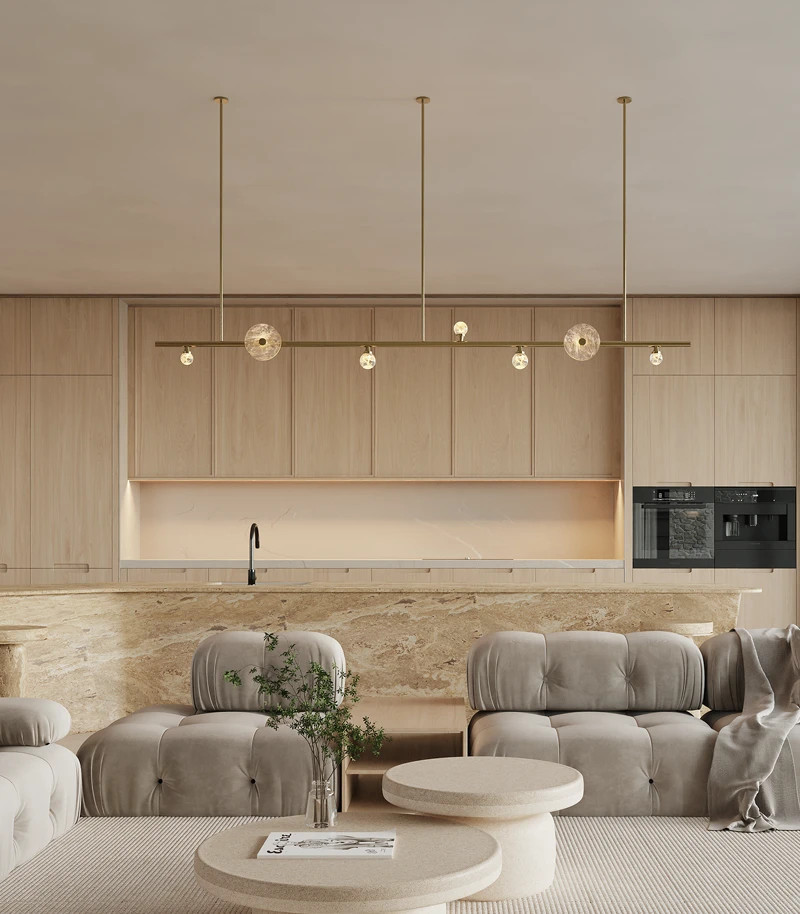
Architectural Lighting: Define Your Open-Plan Space
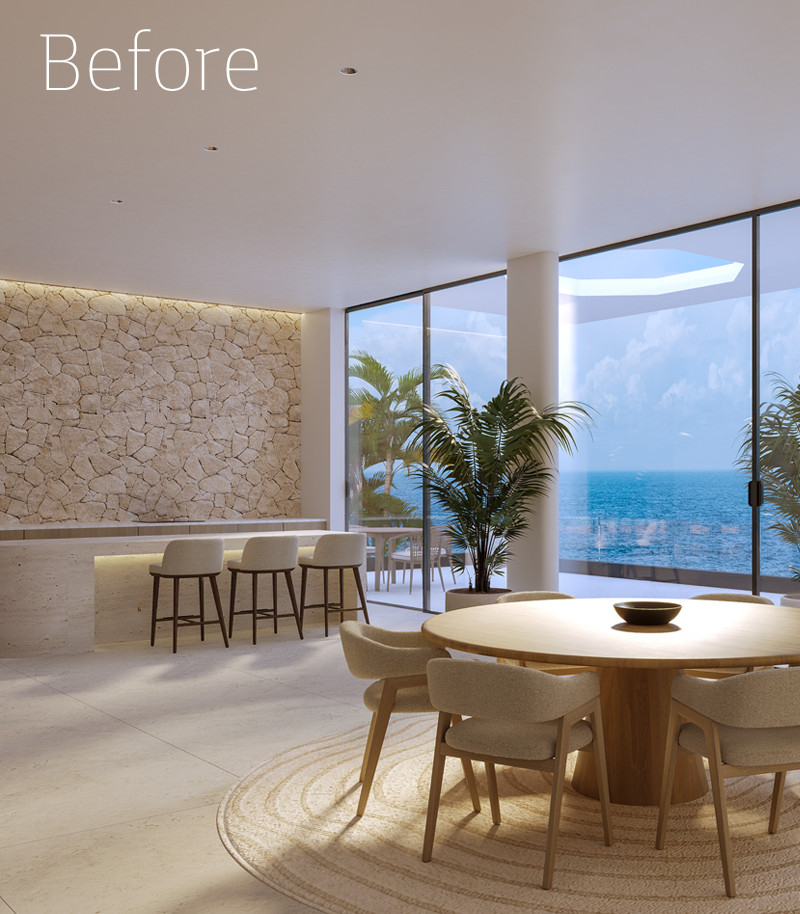
Architectural Lighting: Define Your Open-Plan Space
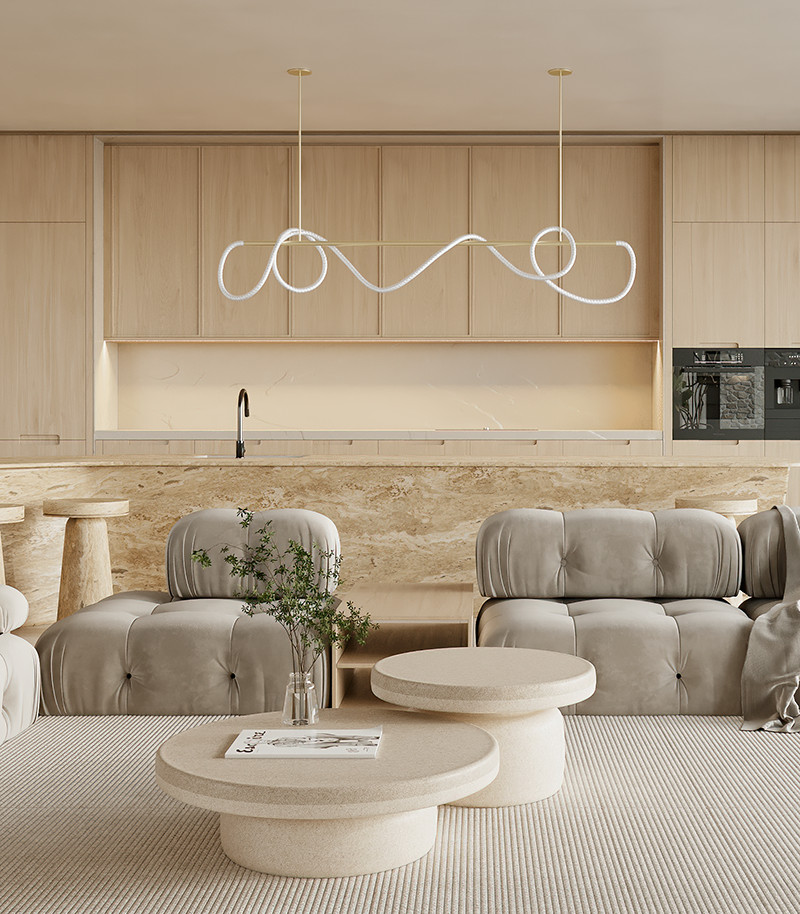
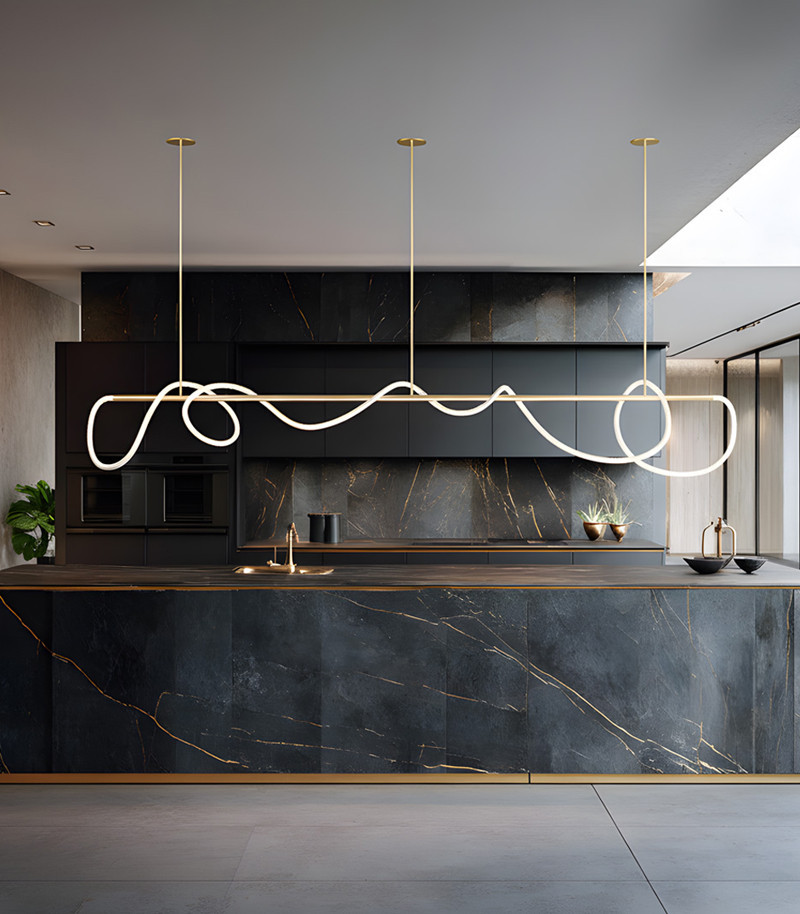
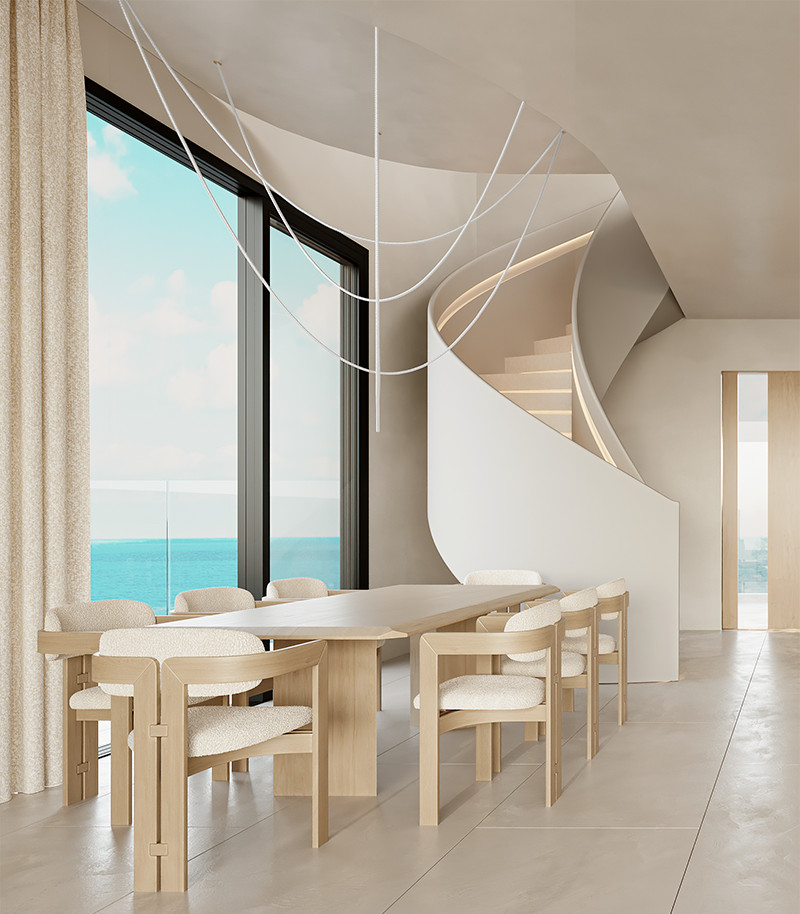
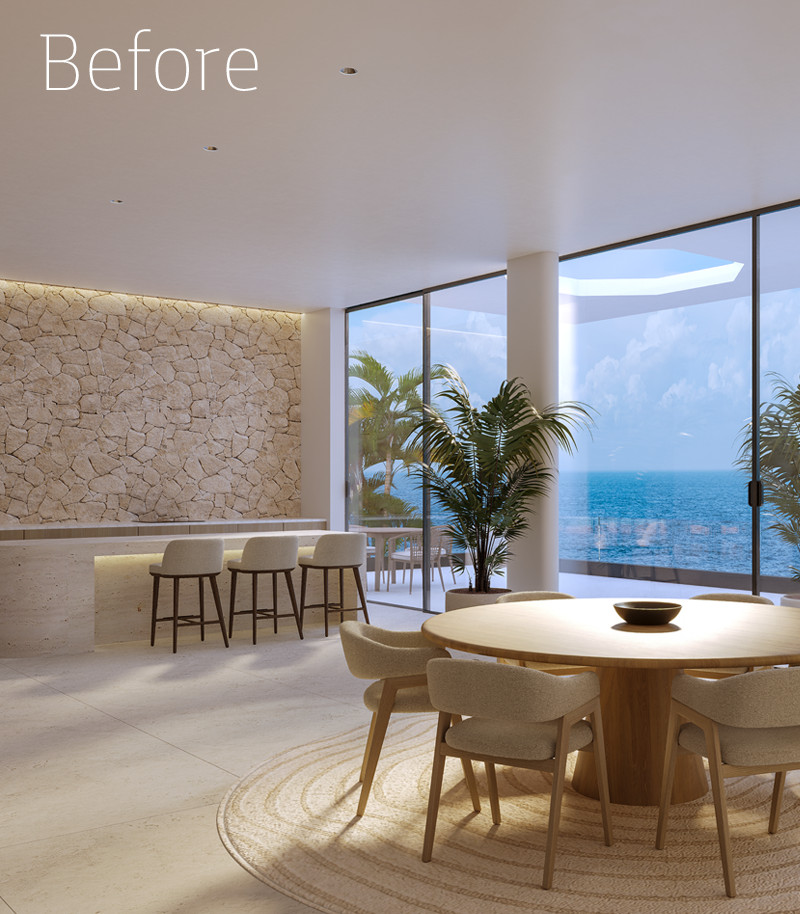
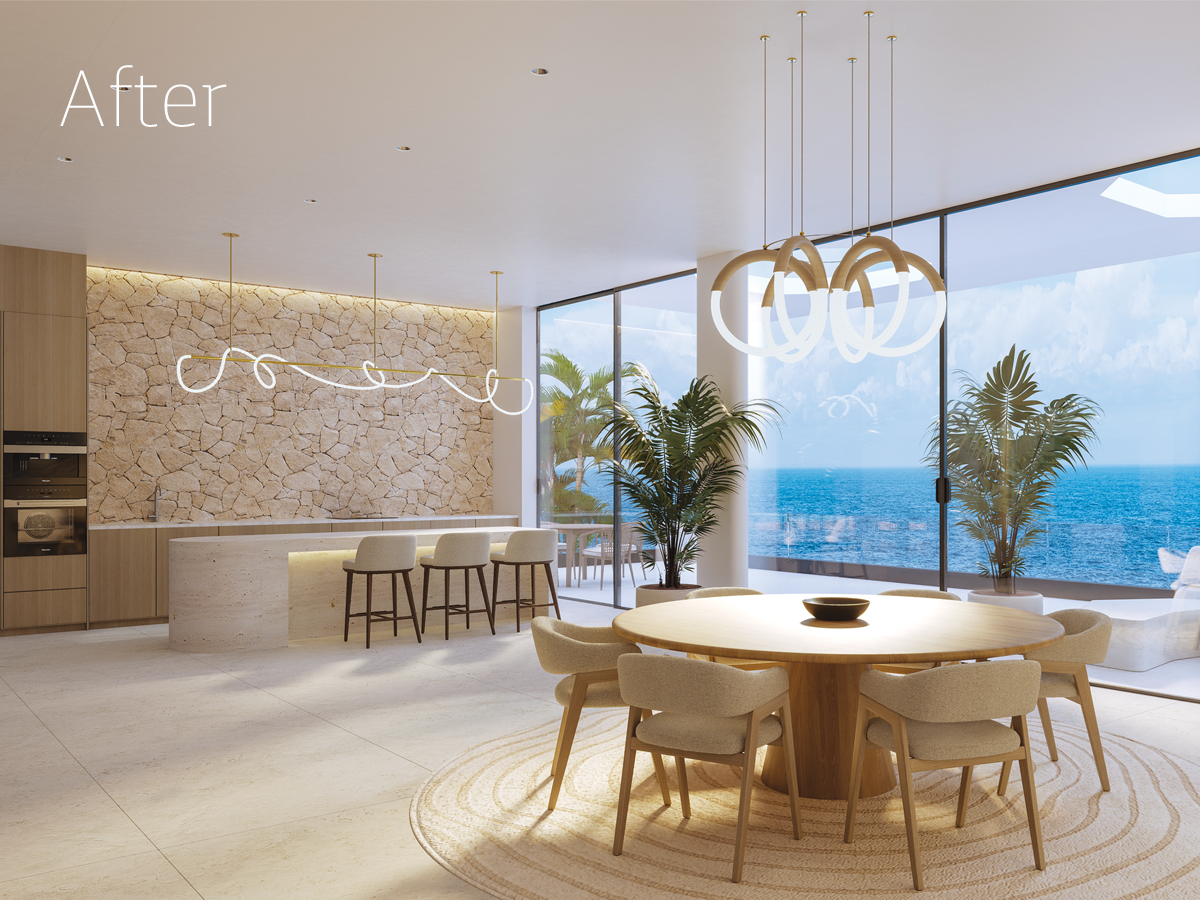
See the before-and-after transformation. Notice how linear and pendant lights effortlessly create visual zones in a modern home.
Open-plan living offers freedom, but it demands structure. Modern residential architecture has dissolved traditional walls to favour fluidity and flexibility. While this layout lets rooms breathe, it can dilute distinct functional moments. This is especially true around the dining table, where daily rituals and intimate atmosphere matter most.
Lighting to Define Your Space
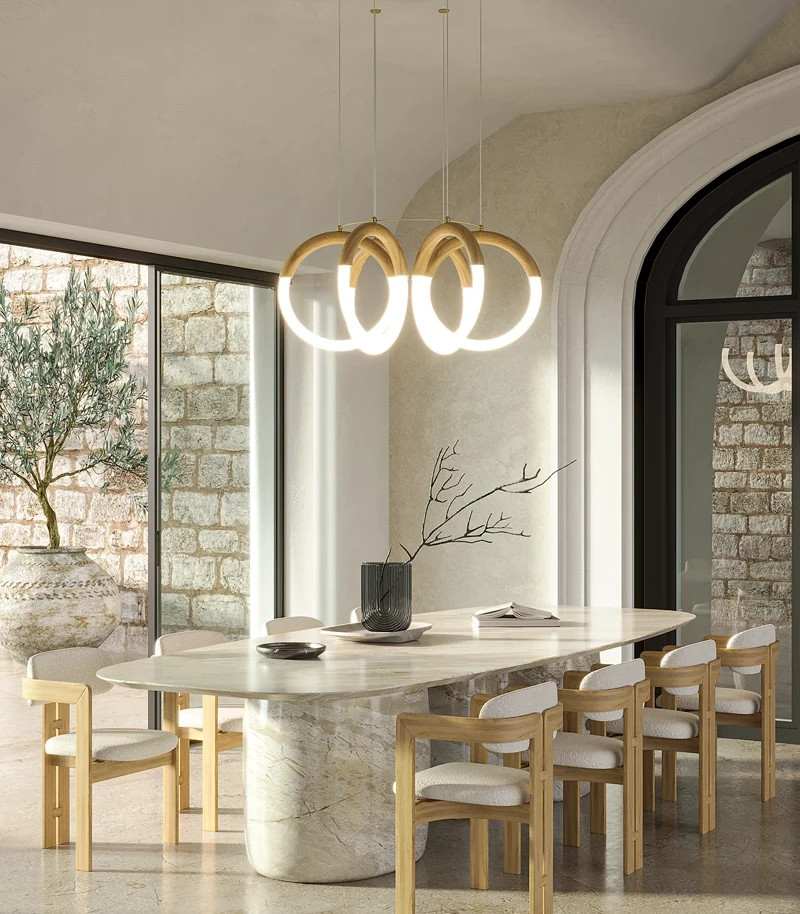
Suspended above a dining table, a pendant or modern chandelier becomes a quiet marker—not an object imposed on a room, but an element that clarifies how a space is occupied. Scale and proportion sit at the centre of this design philosophy:
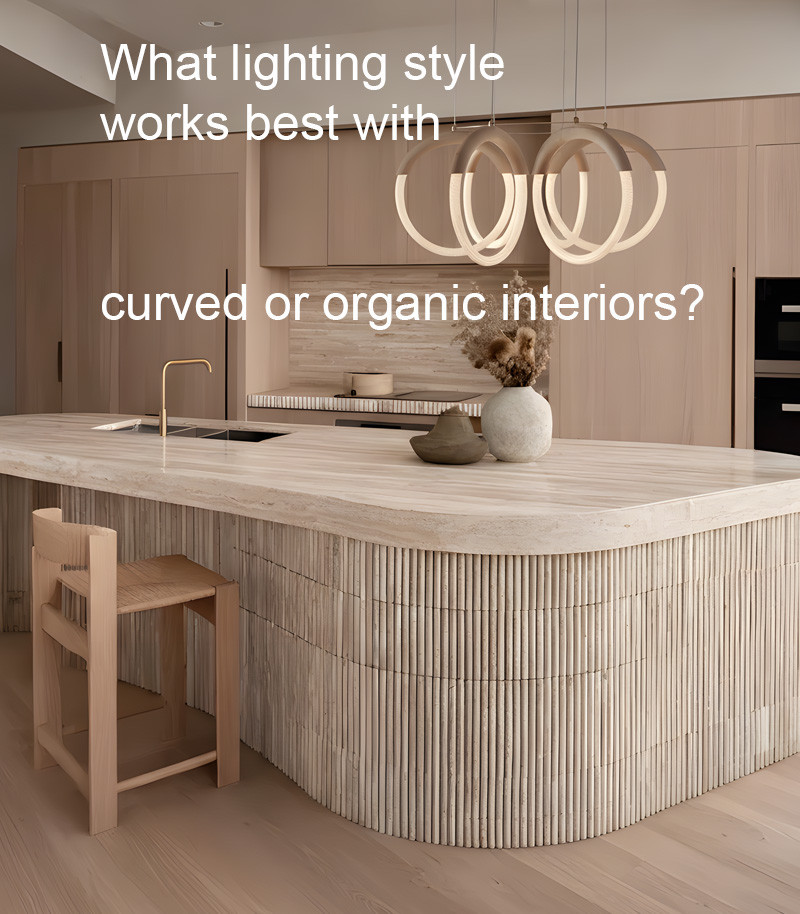
- Festif Linear: This elongated fixture extends beautifully across the kitchen island, reinforcing alignment and grounding the kitchen and dining zones within larger interiors.
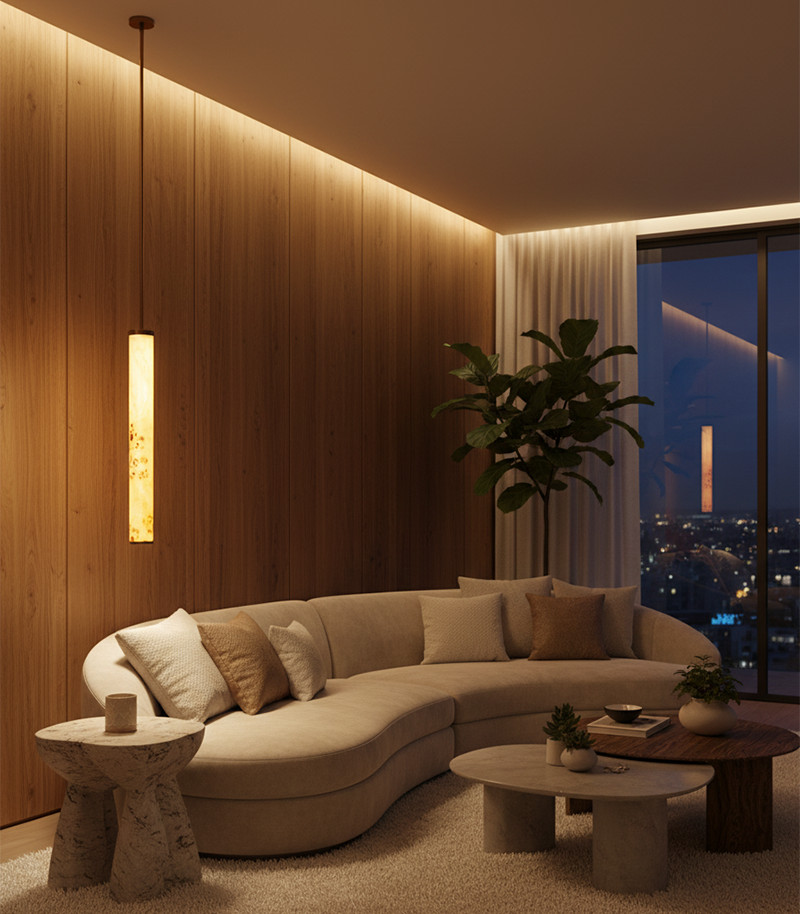
- Stella Chandelier: This sculptural form introduces a bold, vertical presence, drawing the eye downward and creating a comforting sense of enclosure beneath flat, uninterrupted ceilings.
The result is subtle but decisive. The dining area gains clear definition while remaining visually and stylistically connected to the spaces around it.
Designing for Human Scale and Connection
This structural sensitivity is particularly evident in how D.Bianco’s pendants negotiate human scale. Dining is one of the few moments in a home where bodies gather with intention, seated and facing one another. The light above must respond not only to the dimensions of the table, but also to the experience beneath it—casting an even glow, avoiding glare, and creating a sense of intimacy within a larger volume. When resolved well, the pendant establishes a gentle enclosure, encouraging pause and connection without isolating the moment from the rest of the house.
Rather than operating in isolation, these pendants engage directly with their architectural context. Their forms respond to ceiling heights, furniture dimensions, and circulation paths, contributing to a broader spatial rhythm. For architects and interior designers, D.Bianco’s lighting serves as a sophisticated means of establishing hierarchy without containment—a way to articulate zones through light instead of walls.
Timeless Design for Evolving Interiors
D.Bianco’s designs favour enduring relationships between the object and its environment. Their restraint allows interiors to evolve, effortlessly accommodating shifts in furniture, usage, and architecture over time. In this way, lighting becomes less about making a loud statement and more about continuity—a constant that quietly underpins everyday life.
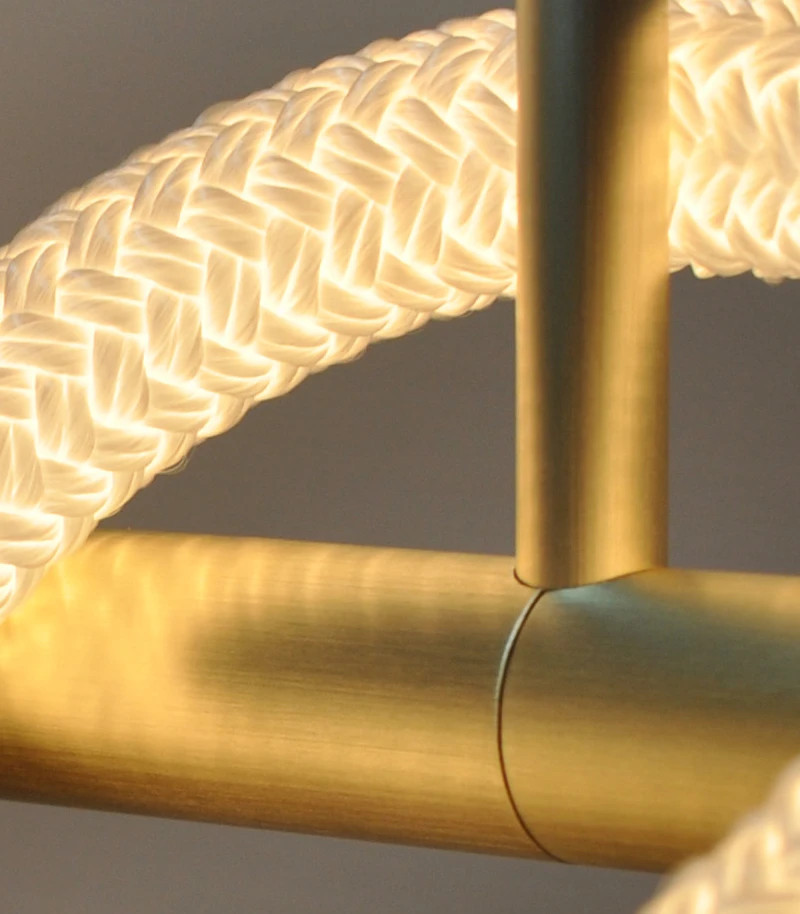
Reflecting a deep commitment to precision and longevity, every piece is designed and crafted in Australia. Materials are handled with restraint, allowing form and proportion to carry the design intent. This clarity supports interiors conceived for long-term use, where lighting feels deeply embedded within the architecture rather than added as a superficial finishing gesture.
Through considered placement and measured form, D.Bianco’s dining pendants transform open interiors into spaces filled with structure, calm, and purpose—shaping not only how rooms appear, but how they are lived within.